Categories
Uncategorized

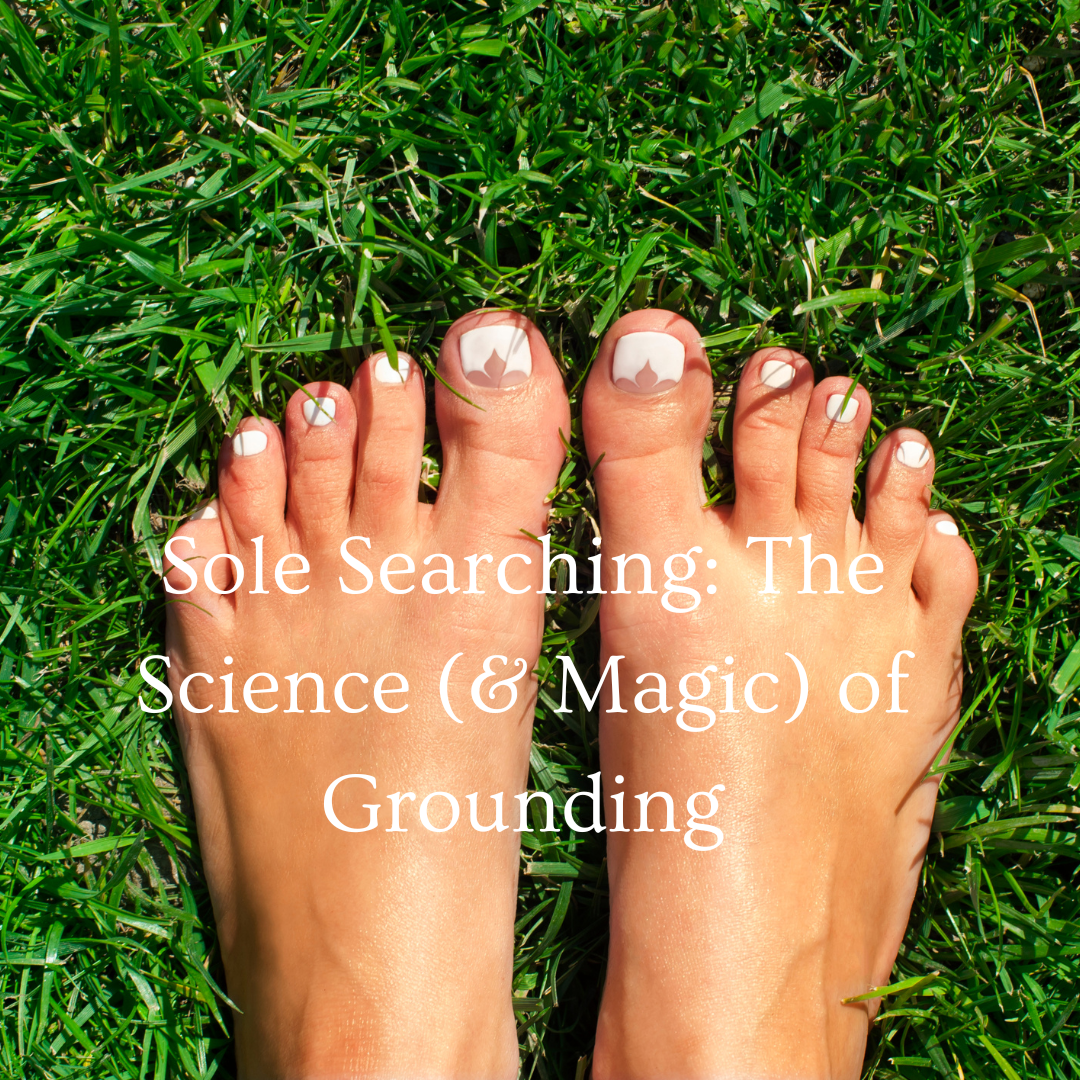
Soul Searching: The Science (& magic) of Grounding

Going barefoot in nature is a powerful way to ground your energy and reconnect with the earth. When your bare feet touch natural surfaces like grass, soil, or sand, you absorb electrons from the ground, which can help neutralize free radicals in your body.

This connection, known as “earthing,” may reduce stress, calm your mind, and balance your body’s energy.


There are many benefits to this practise and it is free and accessible to everyone.  In the colder months, a Grounding mat can be purchased and used inside.

Grounding  Benefits

Reduces painful joints

  • Balances the autonomic nervous system.
  • Reducing inflammation
  • Reducing chronic pain
  • Improving sleep
  • Increasing energy
  • Lowering stress and promoting calmness by reducing cortisol levels in the body
  • Normalizing biological rhythms including circadian rhythm
  • Improving blood pressure and blood flow
  • Relieving muscle tension and headache
  • Reduces menstrual pain
  • Can help balance hormones
  • Can eliminate jet lag
  • Can protect the body from EMF’s
  • Shortens recovery time from injury or athletic activity
  • Helping support adrenal health
  • Maintaining a healthy and steady weight
Categories
Uncategorized

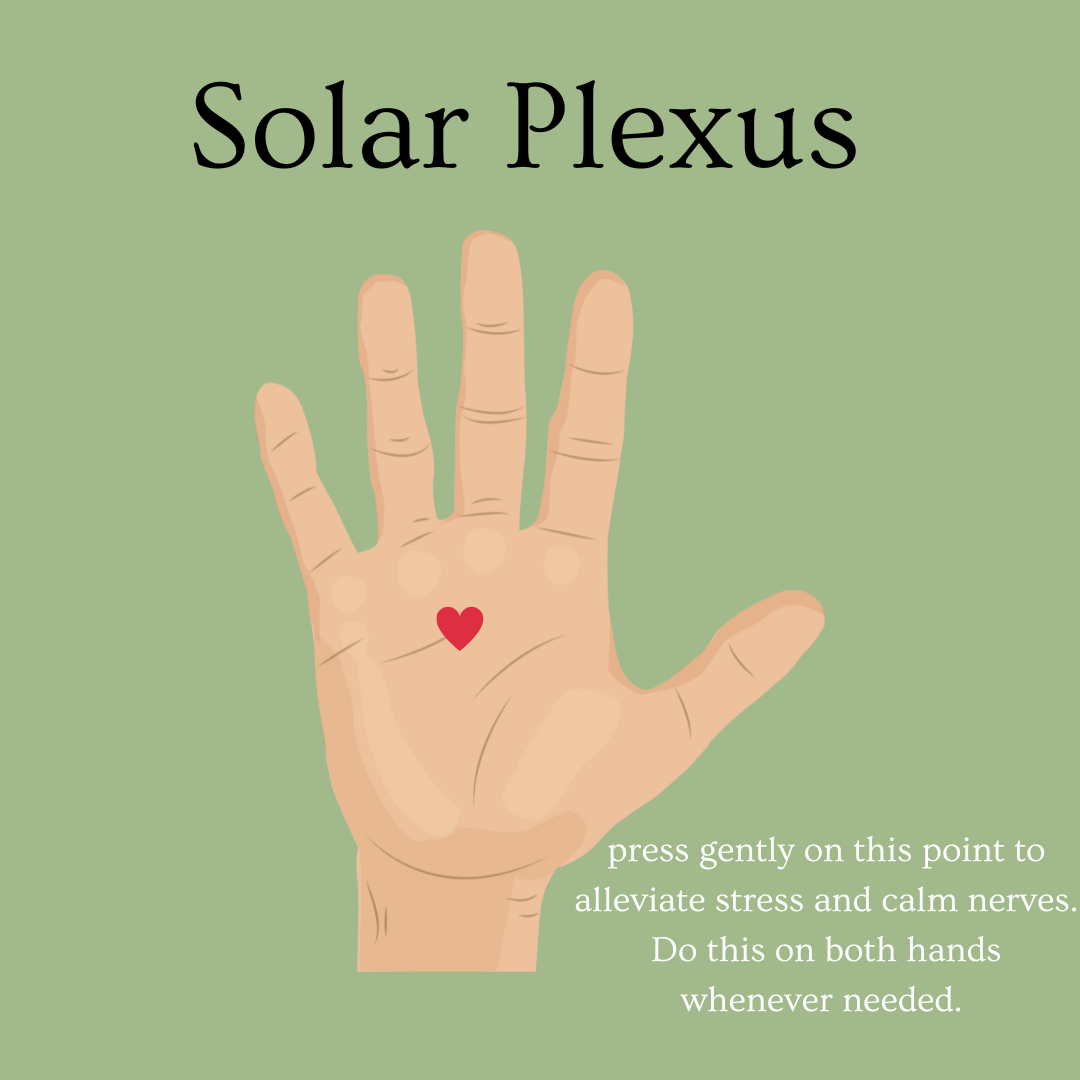
Your Solar Plexus

Your solar plexus,


I often give my clients ‘homework’ to do in between sessions. Working on our hands is an affective way to maintain balance and keep working those reflexes to enhance your treatment plan.

The Solar plexus looks like a cluster of nerves, sits just behind your stomach and the diaphragm, the muscle below the lungs.


Behind the aorta,energetically it is often referred to as the centre of personal power, will, and self-confidence.


The solar plexus is a useful area to work on when feeling stressed or anxious – Take either hand and use your thumb to gently rotate this area a few times. At the same time, focus on your breath; breathing slowly in through your nose and out of your mouth several times until you feel calm.


You can do this anywhere at any time.


Let me know how you get on x

Categories
Uncategorized

Embrace the Season – Tips for Winter Wellbeing

As the days turn chilly and daylight hours dwindle, it can be tempting to hibernate at home eating comfort food (trust me, I’ve been there!). However, with a few mindful habits, you can embrace the season and support your body and mind. Here are some of my top tips.


1. Nourish Your Body with Seasonal Foods

Winter is the perfect time to enjoy warming, nutrient-dense foods. Incorporate seasonal vegetables like squash, sweet potatoes, and dark leafy greens into your meals. Soups, stews, and herbal teas not only keep you warm but also support digestion and immunity.

For an immunity boost, include ingredients like ginger, garlic, and citrus fruits. These are rich in vitamins and compounds that can help ward off winter colds.


2. Stay Active, Even When It’s Cold

It’s tempting to stay indoors when the chilly air bites but regular movement is crucial during winter. Whether it’s yoga at home, a brisk walk in the crisp air, or a gym session, staying active helps maintain your energy levels and supports mental well-being.

Consider outdoor activities like brisk walking.  Why not ask a few friends to join you for a walk and natter. You won’t notice the time and will be getting some valuable steps and fresh air.  Layer up and off. you go!


3. Prioritise Hydration

In winter, the dry air and indoor heating can leave your skin and body dehydrated. Keep your water intake consistent, even if you don’t feel as thirsty as in summer. Herbal teas and warm water with lemon are great alternatives to plain water and can help you stay hydrated while adding extra benefits.


4. Support Your Immune System

This time of year is rife with colds, viruses and even the dreaded Covid (yes, it’s still doing the rounds!). Strengthen your immune system by:

  • Getting enough sleep (aim for 7-9 hours per night).
  • Managing stress through relaxation techniques like meditation or deep breathing
  • Regular exercise (whatever takes your fancy, as long as you are moving your body daily).
  • Taking supplements such as Vitamin D which the body does not absorb enough during the winter months, Vitamin C and a good probiotic.

5. Embrace Hygge for Mental Well-being

The Danish concept of hygge (pronounced “hoo-gah”) means to create a warm atmosphere and enjoy the good things in life with good people – so Light candles, enjoy a hot drink, wrap up in a soft blanket, or spend time with loved ones to nurture your emotional health during the darker months.


6. Listen to your body

Winter can bring a slower pace, which is natural. Listen to your body and allow yourself rest when needed. Honor this season of restoration by scheduling downtime and engaging in gentle, restorative practices like reflexology, which can also enhance circulation and support your overall health.


7. Stay connected

The winter season can be busy with the holidays coming up, but making time for meaningful connections is essential. Whether it’s a simple call to a friend or hosting a small gathering, maintaining social bonds is important for our emotional wellness.


Embrace the season as an opportunity to slow down, recharge, and care for yourself holistically.

Have a happy, healthy Season!

xx

Categories
Uncategorized

Reflexology & The Menopause

Are you experiencing Menopausal symptoms?

Menopause – the natural change

Menopause is a natural change when the ovaries can no longer produce the hormone, oestrogen.

Over a period of years or decades (the perimenopause), the ovaries gradually become less active and efficient until, eventually cease to function naturally. When this happens, no more eggs are produced and periods cease.

This process normally happens after the age of 45 although can happen earlier (known as Ovarian Failure).


Peri-menopause & menopause Symptoms

Includes:

Mood Swings

Brain Fog

Lack of Motivation

Headaches / Migraine

Hot Flushes

Breast Tenderness

Weight Gain

Loss of Libido

Vaginal Dryness

Cessesation of periods

Depression

Joint stiffness

Joint pain

Decreased Confidence

Dry Skin

Vaginal Atrophy

Dry Eyes

Fatigue

Urinary issues

Heart Palpatations

Lack of Focus

Forgettfulness


Nutrition

Can make a difference to symptoms and overall wellbeing.


Soluble fibre 25g per day

Sweet potato

Blueberries

Oats

Black beans

Phytoestrogens

Soya

Lentils

Chickpeas

Omega 3 – Fatty Acids

Oily Fish

Flaxeeds

Protein

ieggs, meat, fish, legumes, and

dairy products.

Additionally, you can add protein powders to smoothies or baked goods.


Exercise & Movement

Exercise can help to ease some menopausal symptoms including: loss of muscle mass and bone density, lack of energy, depression,

anxiety and insomnia.

Regular exercise also releases endorphins, the happy hormone – this will help to ease stress and boost confidence and self-esteem.


Yoga / Pilates

can help to ease anxiety / low mood. Also great for keeping us mobile. Some studies show that yoga can have a positive benefit to symptoms such as hot flushes*.

Aerobic Activity

Aerobic activity / cardio can help you to maintain a healthy weight and shed excess pounds


Strength Training

helps keep bones strong as the stress that comes from tugging and pushing on bones nudges bone-forming cells (osteoblasts) into action.’


Walking

Walking has many benefits for our overall health, including: improving mood, reducing arthritis pain and stiffness, and lowering your blood pressure.


Herbal Remedies

Chamomile

Is a relaxant and can help with sleep issues, reduce anxiety and even help with vaginal dryness.

Sage

Is a relaxant and can help with sleep issues, reduce anxiety and even help with vaginal dryness.

Lemon Balm

This herb (which is a form of mint), can be helpful in treating sleep issues, anxiety, and GI symptoms.

St John’s Wort

Traditionally used to help with low mood and anxiety but also has been shown to reduce hot flushes and night sweats.

Valerian

Sometimes referred to as ‘nature’s valium’ Can improve insomnia and night sweats

Red Clover

These compounds function similarly to oestrogen and may help alleviate symptoms such as hot flushes, night sweats, and bone loss.


Self-care Practice Ideas

Get enough quality sleep

Reduce alcohol intake

Meditate daily

Be Kind to yourself

Exercise Daily

Spend time in nature

Book a Massage

Create a good bedtime routine

Breathwork


How Reflexology Can Help

Regular reflexology treatments can help with the severity and frequency of symptoms*

  • A reflexologist applies pressure to specific areas (reflex points) in your hands or feet. Each of these points link to different body parts and organs. Applying pressure to a specific point will help treat the body part it links to.
  • This gentle stimulation helps to improve the blood and energy circulation, give sense of relaxation, and maintain the body’s homoeostasis.
  • Reflexology can help to improve nerve function and increase feelings of well-being.
  • Reflexology has been shown to reduce stress and anxiety. It is thought that this may be due to the release of endorphins, which are our body’s feel good hormones.
  • Reflexology may also help to improve circulation by stimulating blood flow to the areas that are being treated.
  • Menopausal women can often suffer with headaches and migraines.Reflexology may help to relieve these by reducing the tension in the muscles.
  • Reflexology may also help to improve digestion by stimulating the digestive system.
  • Reflexology may be able to improve sleep duration and quality.
  • Reflexology can also help to rid the body of toxins and improving the lymphatic system.
  • In conclusion, Reflexology can help to mprove overall health and well-being which can have a positive impact in reducing some of the more bothersome symptoms of menopause.
Categories
Uncategorized

How Reflexology benefits the Immune System

The weather is getting colder and we are all heading indoors which is when we are more susceptible to the usual winter colds and viruses.

Generally, our body does a good job of protecting us from viruses and infection, but we can help to keep our immune system balanced by: eating a healthy diet, drinking adequate fluids, exercise, avoiding stress and getting good quality sleep.

Did you know that Reflexology is also a great way to improve immune function?

Reflexology stimulates the lymphatic system which can reduce the risk of infection. It cleanses the body of toxins and impurities and also stimulates the production of endorphins, leading to an improved immune system and sense of well-being.

What a great way to spend an hour on a cold, winter’s day!

To book a treatment call me on 07958603644 or email: info@mareflexology.co.uk

Categories
Uncategorized

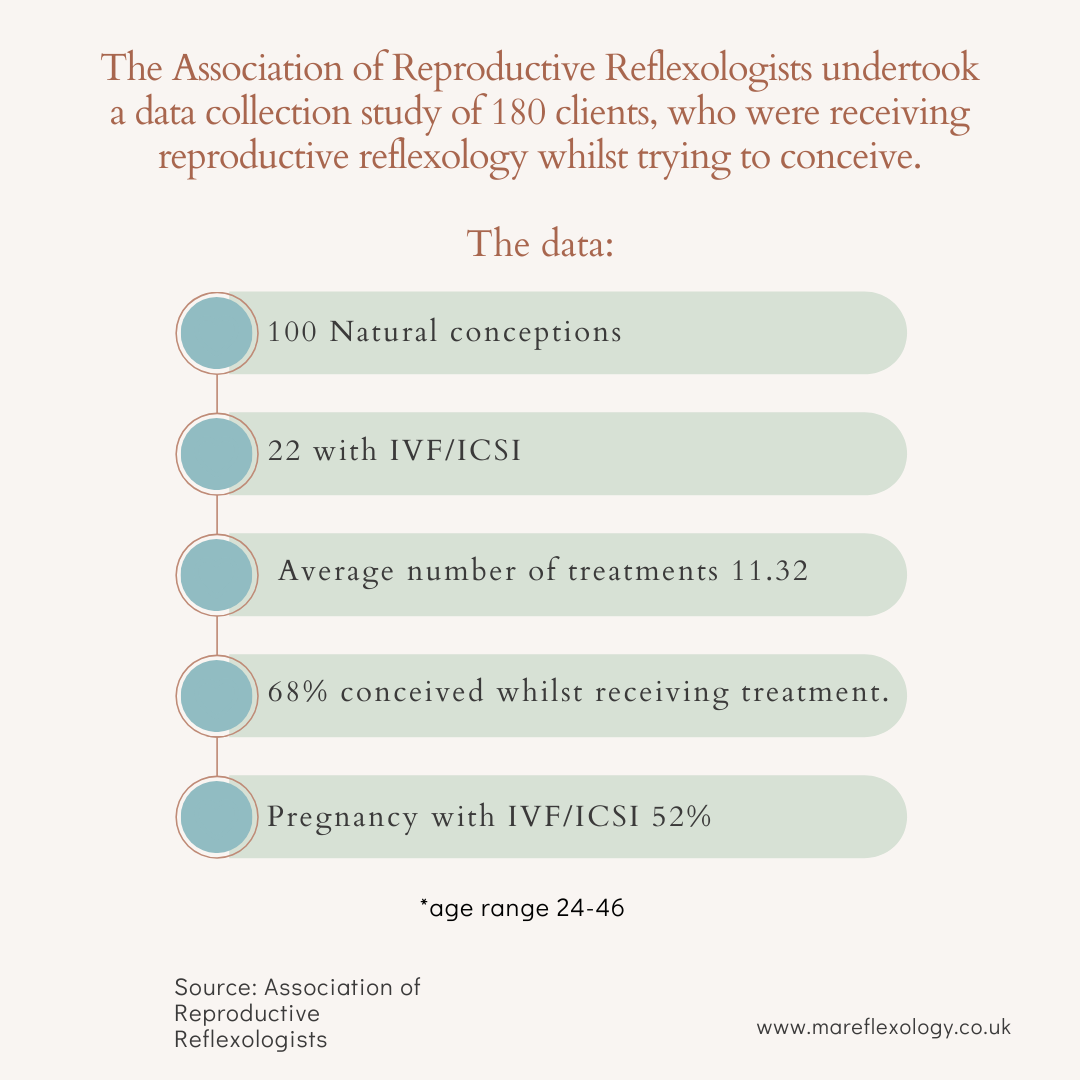
Reproflexology Trial Results

Encouraging results from The Association of Reproductive Reflexologists on the effectiveness of Reflexology on fertility.