Categories
Nervous System health

7 Gentle ways to support your nervous system

The good news is that supporting your nervous system doesn’t have to be complicated. Small, consistent acts of self-care can make a significant difference over time.

1. Prioritise Rest

Rest is not a luxury—it’s a necessity.

Many people wait until they are exhausted before slowing down, but your nervous system benefits from regular moments of rest throughout the day.

Try:

  • Taking short breaks between tasks
  • Allowing yourself quiet moments without distractions
  • Creating a calming bedtime routine

Remember, rest is productive too.

2. Spend Time in Nature

Nature has a wonderful way of helping us feel grounded and calm.

Whether it’s a walk in the park, sitting in your garden, or listening to birdsong, spending time outdoors can help reduce feelings of stress and bring your body back into balance.

Even ten minutes a day can help.

3. Focus on Gentle Movement

Exercise doesn’t always have to be intense.

Gentle movement can help release tension, improve circulation, and signal safety to the nervous system.

Consider:

  • Walking
  • Stretching
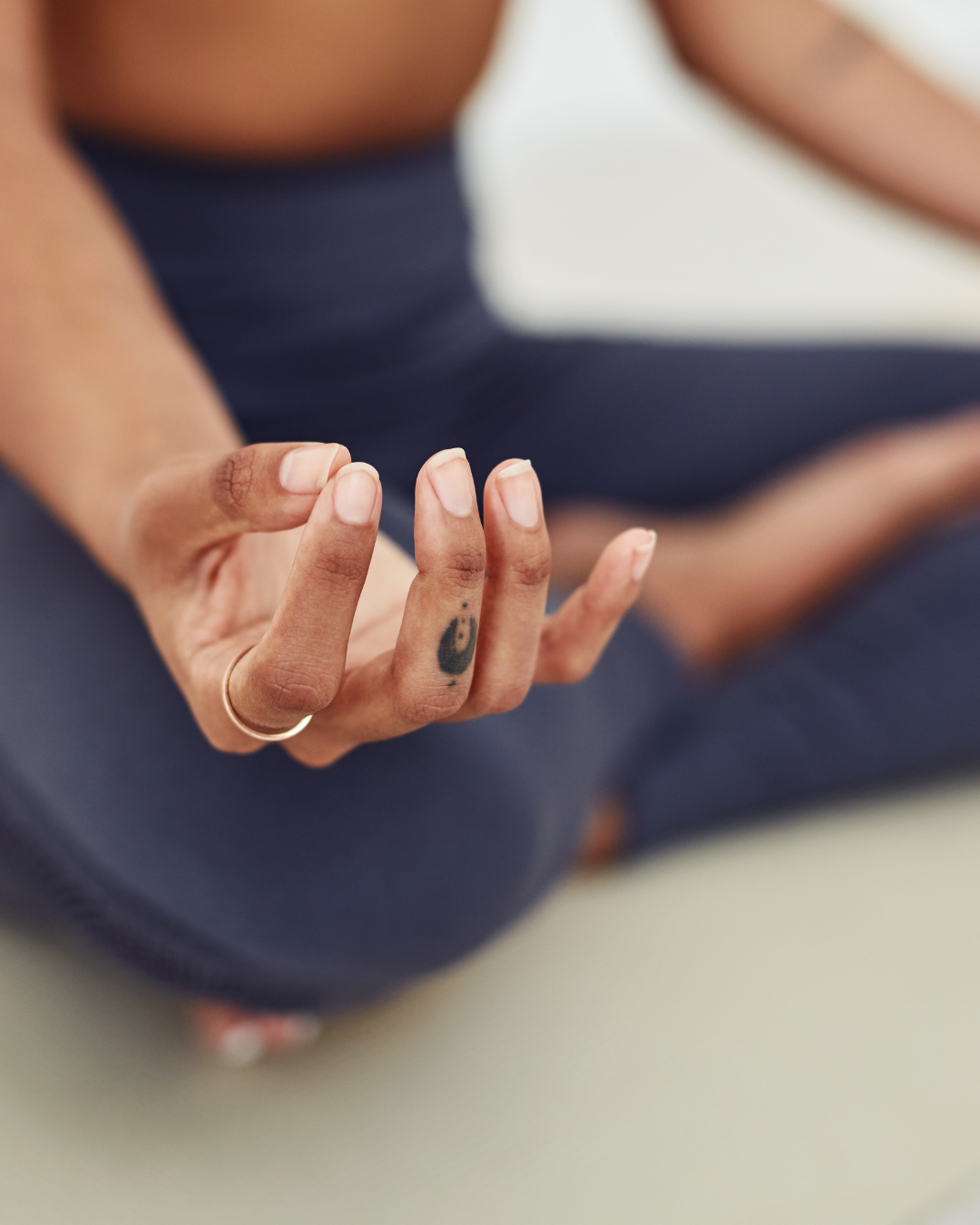
  • Yoga
  • Swimming
  • Dancing

Choose movement that feels enjoyable rather than a chore.

4. Support Your Sleep

Sleep is when the body repairs, restores, and resets.

If you’re struggling with sleep, try:

  • Limiting screen time before bed
  • Keeping your bedroom cool and dark
  • Going to bed at a consistent time
  • Avoiding caffeine late in the day

A well-rested nervous system is often a more resilient one.

5. Nourish Your Body

When we’re stressed, it’s easy to skip meals or reach for quick fixes.

Supporting your nervous system means providing your body with regular nourishment.

Aim for:

  • Balanced meals
  • Plenty of protein
  • Healthy fats
  • Colourful fruits and vegetables
  • Staying hydrated

Simple, nourishing foods help your body feel safe and supported.

6. Create Moments of Calm

Your nervous system responds to moments of safety.

You don’t need hours of meditation to feel the benefits.

Simple practices include:

  • Deep breathing
  • Reading a book
  • Listening to calming music
  • Journalling
  • Enjoying a cup of tea in peace

These small moments remind your body that it can slow down.

7. Consider Reflexology

Reflexology is a gentle, holistic therapy that encourages deep relaxation and supports the body’s natural healing processes.

Many clients find that reflexology helps them feel calmer, sleep better, and manage stress more effectively. By promoting relaxation, reflexology may help activate the body’s “rest and digest” response, allowing the nervous system to move away from a constant state of alertness.

For those navigating fertility challenges, burnout, anxiety, or simply the pressures of everyday life, reflexology can provide a valuable opportunity to pause, reset, and reconnect with yourself.

A Final Thought

Supporting your nervous system isn’t about being perfect.

It’s about creating small moments throughout your day that tell your body, “You are safe.”

Over time, these moments add up, helping you feel calmer, more resilient, and better able to navigate life’s challenges.

Start small. Be gentle with yourself. Your nervous system will thank you for it.

Categories
Nervous System health

Understanding the Sympathetic and Parasympathetic Nervous System

Have you ever noticed how your body reacts when you’re stressed?

Your heart beats faster, your breathing becomes quicker, your shoulders tense, and your mind races with thoughts. This is your nervous system doing exactly what it was designed to do: protect you.

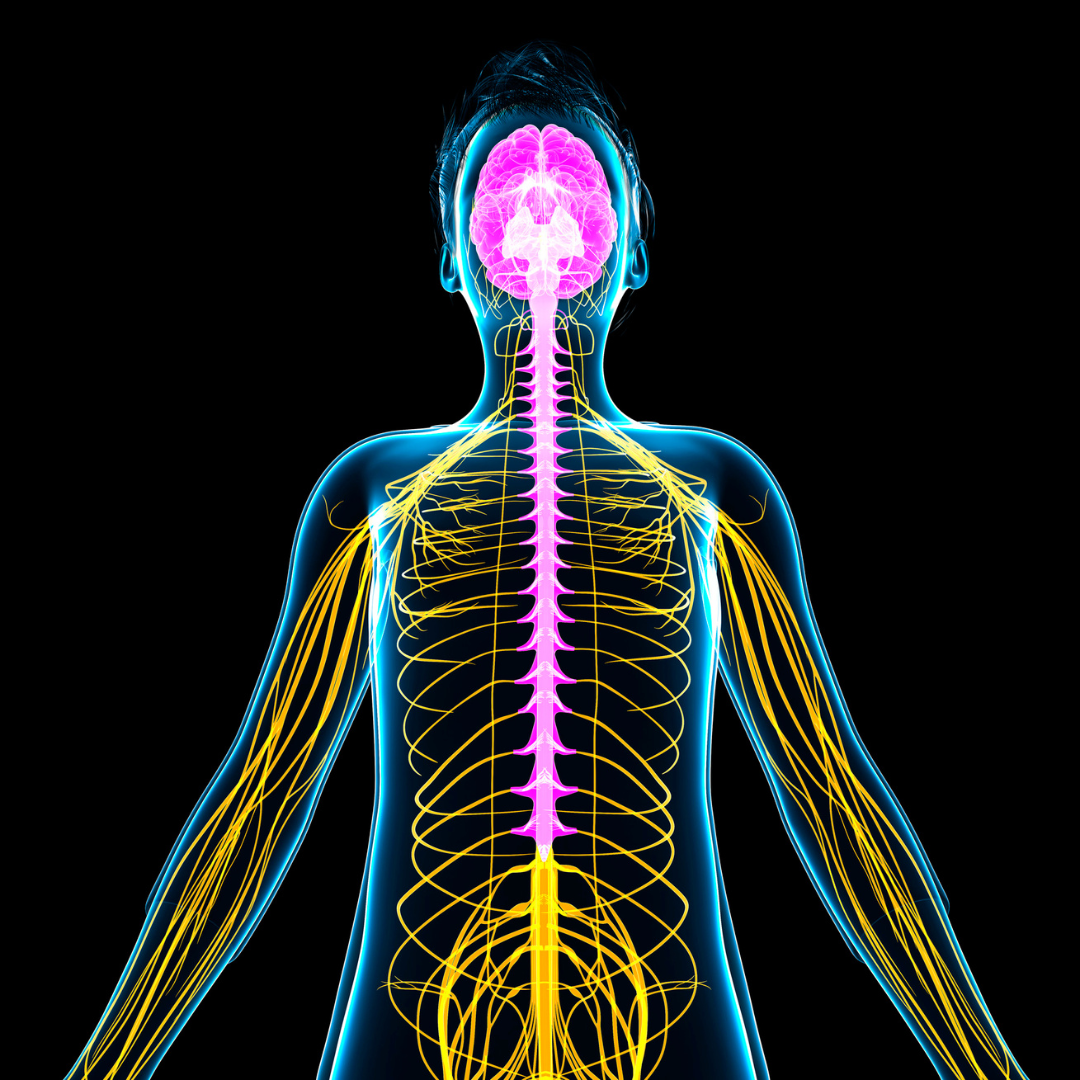
The nervous system has many important functions, but two of its most significant branches are the Sympathetic Nervous System and the Parasympathetic Nervous System.

Think of them as the body’s accelerator and brake pedal. Both are essential, but problems can arise when one is working overtime and the other isn’t given a chance to do its job.


The sympathetic nervous system is responsible for your body’s “fight or flight” response.

Thousands of years ago, this response helped humans survive dangerous situations. If a threat appeared, the body would quickly prepare to fight or run away.

When the sympathetic nervous system is activated:
  • Heart rate increases
  • Blood pressure rises
  • Breathing becomes faster
  • Stress hormones such as cortisol and adrenaline are released
  • Digestion slows down
  • The body prioritises survival over repair and healing

This response is incredibly useful in genuine emergencies.

The problem is that modern-day stress can trigger the same response.

Work pressures, financial worries, family responsibilities, fertility struggles, poor sleep, and constant notifications can all keep the body in a prolonged state of alertness.

When this happens, many people begin to feel:

  • Anxious or overwhelmed
  • Constantly tired but unable to switch off
  • Irritable
  • Mentally exhausted
  • Disconnected from their body

The Parasympathetic Nervous System: Rest and Digest

The parasympathetic nervous system is often called the “rest and digest” system.

This is the body’s healing mode.

When activated, the body receives the message that it is safe, allowing it to focus on restoration and recovery.

The parasympathetic nervous system helps:

  • Slow the heart rate
  • Reduce blood pressure
  • Improve digestion
  • Support immune function
  • Encourage relaxation
  • Promote sleep
  • Support hormone balance
This is the state where healing happens.

t’s also the state where the body can dedicate energy towards important functions such as reproduction, repair, and recovery.

Why This Matters for Fertility

When trying to conceive, many women find themselves under significant emotional and physical stress.

Tracking cycles, attending appointments, managing expectations, coping with disappointment, and juggling everyday life can all place extra demands on the nervous system.

When the body spends prolonged periods in “fight or flight” mode, it may prioritise survival over reproduction.

While stress alone does not cause infertility, supporting the nervous system can be an important part of overall fertility wellbeing.

Creating opportunities for relaxation may help the body feel more balanced, supported, and resilient throughout the fertility journey.

How Reflexology Can Help

Reflexology is a gentle therapy that encourages deep relaxation and helps calm the nervous system.

Many clients describe feeling a sense of peace during and after treatment, as though their body has finally been given permission to switch off.

By stimulating specific reflex points on the feet, reflexology may help encourage the body’s natural relaxation response and support the parasympathetic nervous system.

Clients often report:

  • Better sleep
  • Reduced stress levels
  • Improved mood
  • Feeling calmer and more grounded
  • A greater sense of wellbeing

For those navigating fertility challenges, reflexology offers more than physical support—it provides valuable time to rest, reconnect, and step away from the pressures of daily life.

Finding Balance

The goal isn’t to eliminate stress completely. Stress is a normal part of life.

Instead, the aim is to create balance.

To spend less time stuck in “fight or flight” and more time allowing the body to rest, digest, heal, and restore.

Small acts of self-care, mindful breathing, spending time in nature, prioritising sleep, and regular reflexology treatments can all help support a healthier balance between the sympathetic and parasympathetic nervous systems.

Your body was designed to heal. Sometimes it simply needs the opportunity to slow down and feel safe enough to do so.
To book your hour of calm, message me on 07958603644
Categories
Nervous System health

Energy Shifts After Winter

Gentle Ways to Support Your Body This Spring

Spring does not require dramatic change. Often, small consistent habits provide the greatest benefit.

Prioritise Rest

Allow time for recovery and avoid overfilling your schedule as energy begins to return.

Nourish with Seasonal Foods

Fresh vegetables, leafy greens, seeds, and adequate hydration support digestion and hormonal health.

Spend Time Outdoors

Natural daylight helps regulate circadian rhythms, improving sleep and mood.

Gentle Movement

Walking, stretching, or yoga encourages circulation without placing stress on the body.

Nervous System Support

Practices such as breathing exercises, mindfulness, or reflexology help calm the body and reduce stress hormones.

How Reflexology Can Help

Reflexology offers a deeply relaxing way to support women’s wellbeing during seasonal change. By working reflex points connected to the endocrine and nervous systems, treatments encourage relaxation, improve circulation, and help the body return to balance.

Many women find regular reflexology sessions help them feel calmer, sleep more deeply, and navigate hormonal fluctuations with greater ease.

Spring is a reminder that growth happens naturally when the conditions are right. Supporting your body gently — rather than forcing change — allows wellbeing to unfold in its own time.

As we move into this new season, consider what your body may need more of: rest, nourishment, calm, or simply space to reset.

Small acts of care can create meaningful shifts in how we feel.

Categories
Nervous System health Reflexology Self Care

Gentle Support for the Winter Blues

Acknowledging How Winter Can Feel

During winter, it’s common to experience:

  • low energy or fatigue

  • a dip in mood or motivation

  • feeling more emotional or sensitive

  • disrupted sleep

  • a desire to withdraw or hibernate

In our  culture, we are often encouraged to be productive all year around, but traditionally, In nature, winter is about hibernation, rest and recharging in the most gentle ways.  Our bodies are the same.

Gentle Ways to Support Emotional Wellbeing

Rather than pushing through or trying to “fix” how you feel, winter asks for kindness and compassion. Small, gentle changes can make a meaningful difference:

 Prioritise rest
Allow yourself to slow down where possible. Earlier nights, quiet mornings, and moments of pause help support emotional balance.

 Seek light where you can
Wrap up warm and spend time outdoors during daylight hours, even on cloudy days. Natural light helps regulate mood and energy.

Nourish your body warmly
Warm meals, nourishing soups, herbal teas, and grounding foods can help you feel more supported and settled during colder months.

Stay gently connected
Social connection doesn’t have to be busy or overwhelming. A quiet walk, a phone call, or a shared cup of tea can be enough.

Be kind to yourself
Winter is not the season for pressure. Honour your changing needs without guilt.

Reflexology as Gentle Winter Support

Reflexology offers a calm, nurturing way to support emotional wellbeing through winter. By stimulating reflex points on the feet (or face), reflexology encourages the body’s natural relaxation response — helping to calm the nervous system and bring the body back into balance.

Many people find reflexology helpful during winter because it can:

  • reduce stress and emotional overwhelm

  • support deeper, more restful sleep

  • encourage relaxation and grounding

  • help the body feel more balanced and supported

Rather than working against the season, reflexology works with it — offering warmth, rest, and gentle care when the body needs it most.

A Holistic Approach to Winter Wellbeing

Beating the winter blues doesn’t mean forcing happiness or energy. It means listening, slowing down, and offering yourself the support you deserve.

Combining gentle lifestyle practices  can help you move through winter feeling more balanced, grounded, and emotionally supported.

If you’re feeling the weight of the season, know that help doesn’t have to be loud or drastic — sometimes the most powerful support is soft, consistent, and kind.

If you’d like extra support during the winter months, reflexology can be a beautiful addition to your self-care routine.

Message me to book your reflexology session and give yourself space to rest, reset, and feel supported this winter.

Categories
Facial Reflexology Nervous System health

The Magic of Face Reflexology: Nurturing Your Nervous System, Lymphatics, and Energy Flow

What Is Face Reflexology?

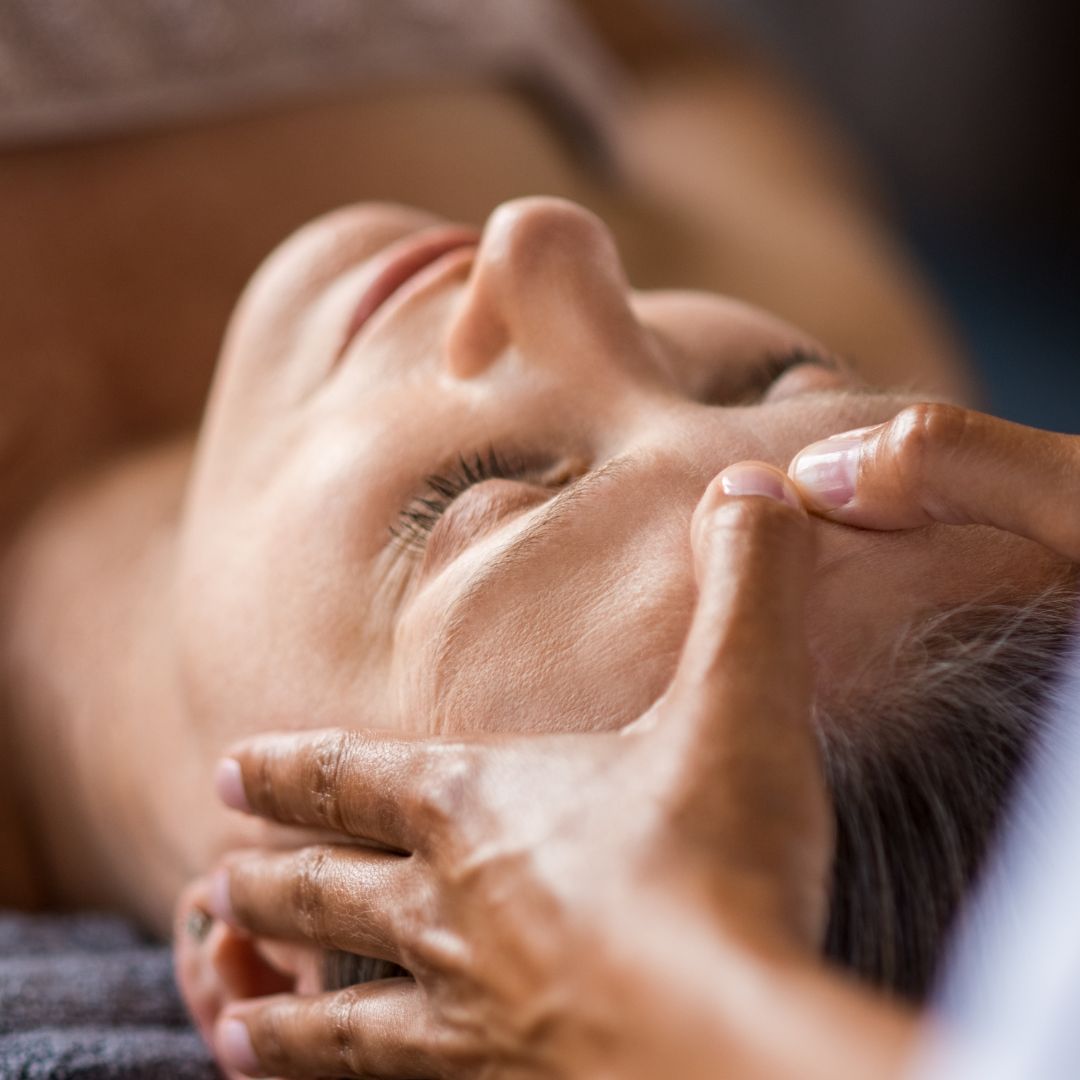
Face reflexology is a natural therapy that stimulates specific reflex points on the face; each corresponding to different organs, systems, and energetic pathways within the body. By applying gentle pressure and massage techniques, it helps bring the body back into balance, encouraging healing and harmony from the inside out.

The face is rich with nerve endings and blood vessels, making it a powerful area to influence both the physical and energetic body. It’s deeply relaxing, yet surprisingly effective in promoting inner balance.


Calming the Central Nervous System

The soothing touch of face reflexology activates the parasympathetic nervous system—your body’s natural “rest and restore” mode. This helps slow the heart rate, regulate breathing, and ease muscle tension. When the nervous system is balanced, stress hormones such as cortisol begin to drop, allowing your mind and body to unwind.

Clients often describe a sense of profound calm or even drifting into a meditative state during a session. This deep relaxation helps the body repair, digest, and heal more effectively.


Supporting Lymphatic Flow

Face reflexology also has a gentle draining effect, stimulating the lymphatic system to release toxins and reduce puffiness or stagnation. By promoting better circulation, it encourages fresh oxygen and nutrients to flow to skin cells — giving the complexion a natural, radiant glow while also supporting immune health.

It’s like an inner spring clean for the body, achieved through gentle facial touch.


Shifting Brain Waves and Deepening Relaxation

As the body relaxes, brain activity naturally shifts from the busy beta state (linked to alertness and stress) into alpha and theta waves—the same calm, restorative states we enter during meditation or just before sleep.

These slower brain waves promote creativity, emotional release, and deep rest. That’s why clients often leave a face reflexology session feeling grounded, clear-headed, and peaceful.


Balancing the Chakras and Energy Flow

On an energetic level, the face is a mirror of the body’s chakras — the subtle energy centers that influence our physical, emotional, and spiritual health. When these reflex points are stimulated, energy flow is harmonised through the meridians and chakras, helping to restore equilibrium and vitality.

This gentle energy balancing can bring a sense of alignment, leaving you feeling both centered and uplifted.


A Holistic Path to Radiance and Well-Being

Face reflexology is far more than a beauty treatment — it’s a holistic therapy that nurtures both inner and outer health. By supporting the nervous system, aiding lymphatic drainage, calming the mind, and balancing the body’s energy systems, it helps you feel more you — radiant, relaxed, and in tune with yourself.

Whether you seek it for stress relief, hormonal balance, better sleep, or simply as a mindful self-care ritual, face reflexology offers a natural, nurturing way to restore harmony from within.


.

Categories
Nervous System health

Simple Ways to Activate your Vagus Nerve

Categories
Nervous System health

The Vagus Nerve Explained: Your Body’s Secret Superpower for Calm & Healing


What Is the Vagus Nerve?

The vagus nerve (pronounced VAY-gus) is the longest cranial nerve in your body. It connects your brain to major organs — including your heart, lungs, digestive system, and more. Think of it as a vital communication superhighway between your mind and your body.

Most importantly, the vagus nerve is a key part of your parasympathetic nervous system — also known as your rest and digest state. It helps calm the body after stress, slow the heart rate, aid digestion, and promote deep relaxation.


Why Is the Vagus Nerve So Important?

When your vagus nerve is toned and functioning well, you’re more likely to feel:

  • Calm and relaxed

  • Connected to your body and emotions

  • Able to manage stress

  • Energised and clear-headed

When it’s underactive or dysregulated, you may experience:

  • Anxiety or a constant sense of tension

  • Digestive issues like bloating or sluggishness

  • Poor sleep or chronic fatigue

  • Feeling emotionally “flat” or disconnected

It’s deeply tied to both physical and emotional wellbeing — which is why supporting it can be such a game-changer.


Signs Your Vagus Nerve May Need Support

Your body gives clues when your vagus nerve isn’t as regulated as it could be. Some signs include:

  • Shallow, chest-based breathing

  • Trouble winding down or sleeping

  • Digestive discomfort (like bloating or irregular bowel movements)

  • Feeling overwhelmed or emotionally numb

  • A general sense of being “on edge”

Sound familiar? You’re not alone — many people are living in a near-constant “fight or flight” mode.

Simple Ways to Stimulate and Support the Vagus Nerve

The good news? You can gently tone the vagus nerve through small, calming practices like:

  • Deep belly breathing – Slow, diaphragmatic breaths signal to the body that it’s safe to relax.

  • Humming, chanting, or singing – These stimulate the vagus nerve through vibration near the vocal cords.

  • Gargling water – An easy and surprisingly effective vagal nerve activator.

  • Cold water on the face – Splashing or using a cold cloth can help shift your nervous system into calm mode.

  • Gentle movement – Yoga, stretching, and mindful walking help regulate the body.

  • Meditation or mindfulness – These practices teach the body to settle and re-centre.


How Reflexology Supports the Vagus Nerve

Reflexology is a deeply grounding, holistic therapy that can gently activate the parasympathetic nervous system — making it an amazing support for vagus nerve health.

During a session, I use specific techniques to:

  • Calm the nervous system

  • Support digestive and hormonal balance

  • Reduce stress stored in the body (especially in the gut, chest, and jaw reflexes)

  • Encourage deep, healing rest

Clients often leave a session feeling lighter, more centred, and deeply relaxed — that’s the vagus nerve at work.


Final Thoughts

Your body is incredibly wise — and the vagus nerve is one of its most powerful regulators of calm, connection, and healing. By supporting this gentle pathway, you create space for more ease, balance, and restoration in your everyday life.

You don’t have to do it all at once. Start with one small practice — like breathwork or a cold splash of water — and notice how your body begins to respond.


Ready to deeply support your nervous system?
Book a reflexology session focused on nervous system regulation and give your vagus nerve the care it deserves. 💛