

Categories
Self Care

How to reset after Summer Break

Sleep 

Summer often means later nights and less routine.

Creating an evening ritual can help relax you into a good night’s sleep. Consistency is key— dim the lights, put your phone away, take a warm bath with magnesium salts and lavender essential oil, read a few pages of a book and give yourself time to unwind. An evening meditation whilst holding a calming crystal such as an amethyst is another powerful way to unwind.
Good sleep is one of the simplest ways to support your energy, mood and nervous system.

Try Phone-Free Mornings

Before you check your phone, check in with yourself.

Instead of waking up and immediately scrolling through messages, emails and social media, give yourself a few quiet moments to welcome in the new day.

  • Open the curtains.
  • Feel the sunshine on your face.
  • Drink a glass of warm water with lemon.
  • Take a few deep breaths.
  • Meditate or simply sit quietly for a few minutes.

Let your first thoughts of the day belong to you, rather than everyone else.

Even 10–15 phone-free minutes in the morning can create a completely different start to your day.


Focus on Nutrition 

So we’ve all overindulged in the Summer; Ice cream, cocktails, pub lunches, treats – we’ve had a great time!
Set an intention to slowly ease back into eating nutrient based  seasonal foods.  Start bringing some balance back into your meals by eating:
  • Plenty of vegetables
  • Protein with each meal
  • Wholegrains and fibre
  • Healthy fats
  • Plenty of water
Focus on nourishing rather than restricting.

Get Moving Again

Glorious sunny weather means a lot more walking which can release tension and improve focus.  Leave the phone at home or at least in your pocket to clear your mind and soul –  taking the stairs at work rather than the lift, gentle yoga, stretching or a short workout can help you reconnect with your body and boost your energy.

Clear the Mental Clutter

Getting things out of your head and onto paper can make everything feel a little more manageable.

Take the opportunity to use this new month to simplify your life. Reflect on the summer months and think about your new goals for the new month ahead.  Ask yourself ‘what no longer serves? Create a new vision for the rest of year which aligns with your current vision.
And remember: you don’t have to do everything at once.

Digital Detox 

A reset doesn’t just have to be physical. Your digital environment can affect how you feel too.

Take some time to clear out the digital clutter:

  • Delete old emails and messages
  • Unsubscribe from emails you no longer read
  • Unfollow social media accounts that no longer inspire or align with your current values
  • Clear out old photos and screenshots you no longer need

Think of it as creating a little more breathing space — both on your phone and in your mind.

You don’t need to consume everything that comes your way. Be intentional about what you allow into your digital space.

Bring Your Summer Memories Back to Life

Missing your summer holiday already?

Before work, school and family life get busy again, take some time to look through those photos you’ve been meaning to organise.

How often do we take hundreds of beautiful holiday photos and then never actually do anything with them?

Choose your favourites and create a photo album, make a collage or even put together a little summer memory book.

Why not get the whole family or some friends involved? Sit together, choose your favourite photographs and share your favourite memories from the summer.

It’s a lovely way to hold onto that holiday feeling while creating something you’ll enjoy looking back on for years to come.

Remember, you don’t need a complete life overhaul after the summer.

Choose a few small things that make you feel good and bring them back into your routine.
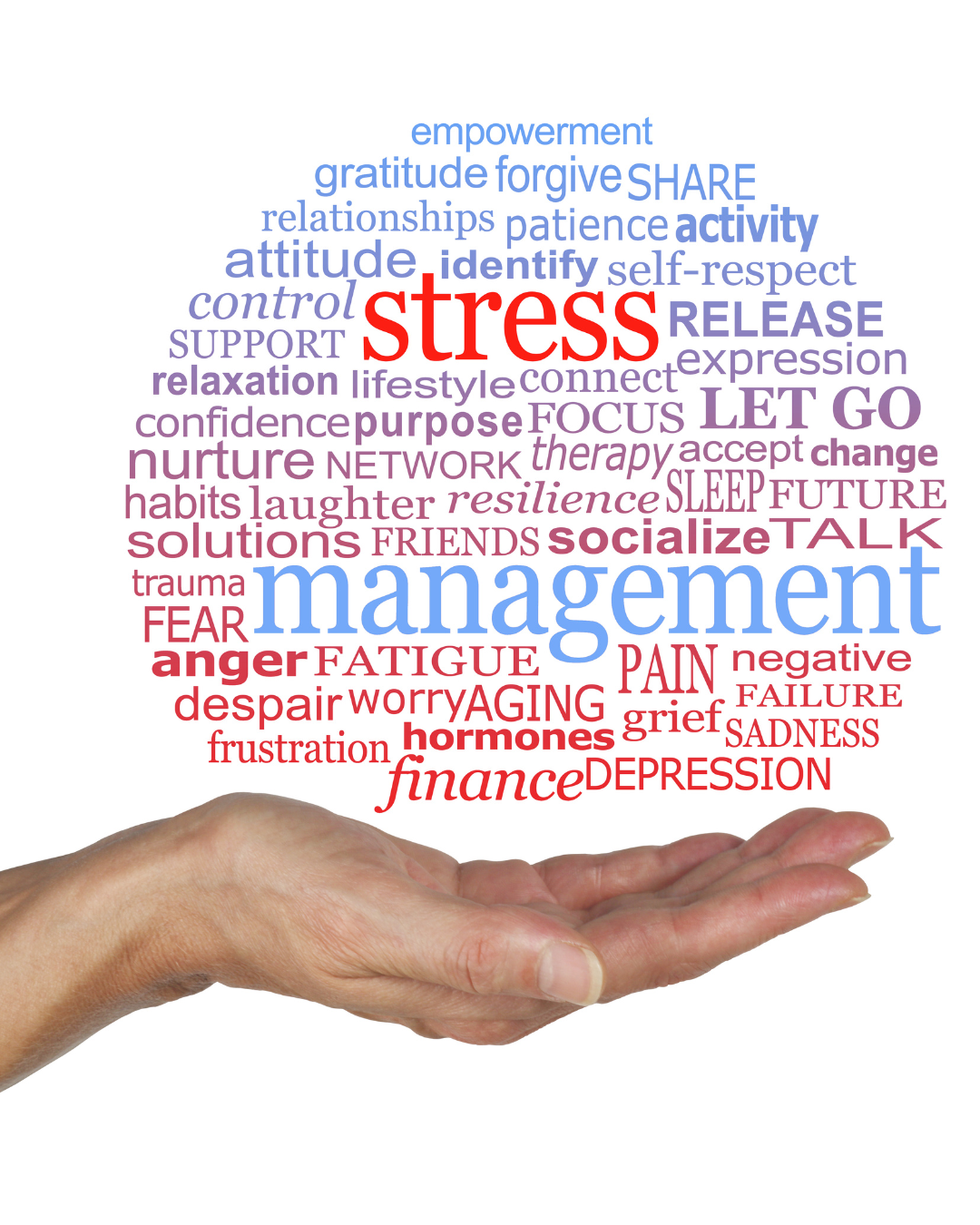
If you’ve been feeling overwhelmed after the summer break, why not make some time for yourself and book a relaxing reflexology treatment?
Your body — and your nervous system — may thank you for it.
With Love
Marsha x
Categories
Self Care

How Stress Shows up in the Body

Gentle Ways to Support Yourself This Month

You don’t need to overhaul your life—small, consistent changes can make a big difference:

• Take a few moments each day to pause and breathe
• Spend time outdoors and soak up natural light
• Create a calm evening routine (less screens, more rest)
• Say no to things that feel overwhelming
• Make time for treatments that help your body relax and reset

How Reflexology Can Help

Reflexology is a gentle, natural way to support your body during times of stress. By working on specific points on the feet, it helps calm the nervous system, encourage relaxation, and bring your body back into balance.

Many clients leave feeling lighter, calmer, and more grounded—and with regular sessions, it can become a powerful part of your self-care routine.

A Gentle Invitation

If you’ve been feeling overwhelmed, out of balance, or simply in need of some time for yourself, this is your sign to slow down and take care of you.

📩 Message me to book your session


Categories
Nervous System health Reflexology Self Care

Gentle Support for the Winter Blues

Acknowledging How Winter Can Feel

During winter, it’s common to experience:

  • low energy or fatigue

  • a dip in mood or motivation

  • feeling more emotional or sensitive

  • disrupted sleep

  • a desire to withdraw or hibernate

In our  culture, we are often encouraged to be productive all year around, but traditionally, In nature, winter is about hibernation, rest and recharging in the most gentle ways.  Our bodies are the same.

Gentle Ways to Support Emotional Wellbeing

Rather than pushing through or trying to “fix” how you feel, winter asks for kindness and compassion. Small, gentle changes can make a meaningful difference:

 Prioritise rest
Allow yourself to slow down where possible. Earlier nights, quiet mornings, and moments of pause help support emotional balance.

 Seek light where you can
Wrap up warm and spend time outdoors during daylight hours, even on cloudy days. Natural light helps regulate mood and energy.

Nourish your body warmly
Warm meals, nourishing soups, herbal teas, and grounding foods can help you feel more supported and settled during colder months.

Stay gently connected
Social connection doesn’t have to be busy or overwhelming. A quiet walk, a phone call, or a shared cup of tea can be enough.

Be kind to yourself
Winter is not the season for pressure. Honour your changing needs without guilt.

Reflexology as Gentle Winter Support

Reflexology offers a calm, nurturing way to support emotional wellbeing through winter. By stimulating reflex points on the feet (or face), reflexology encourages the body’s natural relaxation response — helping to calm the nervous system and bring the body back into balance.

Many people find reflexology helpful during winter because it can:

  • reduce stress and emotional overwhelm

  • support deeper, more restful sleep

  • encourage relaxation and grounding

  • help the body feel more balanced and supported

Rather than working against the season, reflexology works with it — offering warmth, rest, and gentle care when the body needs it most.

A Holistic Approach to Winter Wellbeing

Beating the winter blues doesn’t mean forcing happiness or energy. It means listening, slowing down, and offering yourself the support you deserve.

Combining gentle lifestyle practices  can help you move through winter feeling more balanced, grounded, and emotionally supported.

If you’re feeling the weight of the season, know that help doesn’t have to be loud or drastic — sometimes the most powerful support is soft, consistent, and kind.

If you’d like extra support during the winter months, reflexology can be a beautiful addition to your self-care routine.

Message me to book your reflexology session and give yourself space to rest, reset, and feel supported this winter.

Categories
Self Care

Gentle Tips for a Peaceful Festive Season

1. Slow the Pace

You don’t have to rush just because the world is rushing.

Take moments to breathe, pause, and reset.

A slower rhythm allows you to actually feel the season, rather than just get through it


2. Simplify Your Expectations

A calm Christmas isn’t about perfection.

It’s about choosing what truly matters — and releasing what doesn’t.

Less pressure, more presence.


3. Create Cosy Rituals

Small calming practices make a big difference:

  • a quiet morning with a warm drink
  • a candle lit during dinner
  • an evening without screens
  • These rituals anchor the nervous system and soften the season

4. Protect your energy.

It’s okay to:

  • say no
  • leave early
  • choose rest over plans
  • spend time alone if you need it
  • Protecting your boundaries is self-care.


5. Enjoy Food Without Guilt

Food is connection and comfort. Its part of celebration and culture.

Allow yourself to enjoy it fully — without apology, shame, or negotiation.


6. Focus on moments, not stuff

The magic of Christmas comes from:

  • laughter
  • warmth
  • togetherness
  • and memories


7. Be Gentle With Your Heart

For some people, Christmas brings:

grief, longing, family tension, trauma and not great memories,

If this is you, you are not alone.

You are allowed to feel what you fee


8. Prioritise Rest

A calm Christmas includes:

-early nights

-slow mornings

-naps

-quiet moments

-Rest restores your body, mind, and emotions.

Not from the number of presents or the size of the table.


Categories
Self Care

How Journaling Heals, Calms, and Clears Your Mind

In a world that moves fast and demands so much of us, journaling offers a sacred pause — a moment to breathe, reflect, and reconnect with yourself.

Whether you’re navigating big emotions, healing from burnout, or simply craving clarity, regular journaling can become a powerful part of your self-care ritual. Here’s why:


1. Emotional Release

Putting your thoughts on paper can help you process emotions in a healthy, gentle way. It’s like giving your mind space to exhale.


2. Mental Clarity

Journaling helps clear mental clutter, making it easier to tune into your inner voice, set intentions, or make aligned decisions.


3. Stress Relief

Studies show journaling can lower stress levels and reduce symptoms of anxiety — it’s a simple way to regulate your nervous system and shift into calm.


4. Self-Connection

Regular journaling deepens your relationship with yourself. You become more aware of your needs, patterns, and dreams — and more compassionate with where you are right now.


5. A Space for Manifestation & Growth

From gratitude lists to future visioning, your journal becomes a space where healing, dreaming, and transformation meet.


Ready to begin?

All it takes is a few minutes a day. No rules, no pressure — just you, a pen, and the freedom to express what’s within.

Why not start tonight?