What Exactly Is the Nervous System?
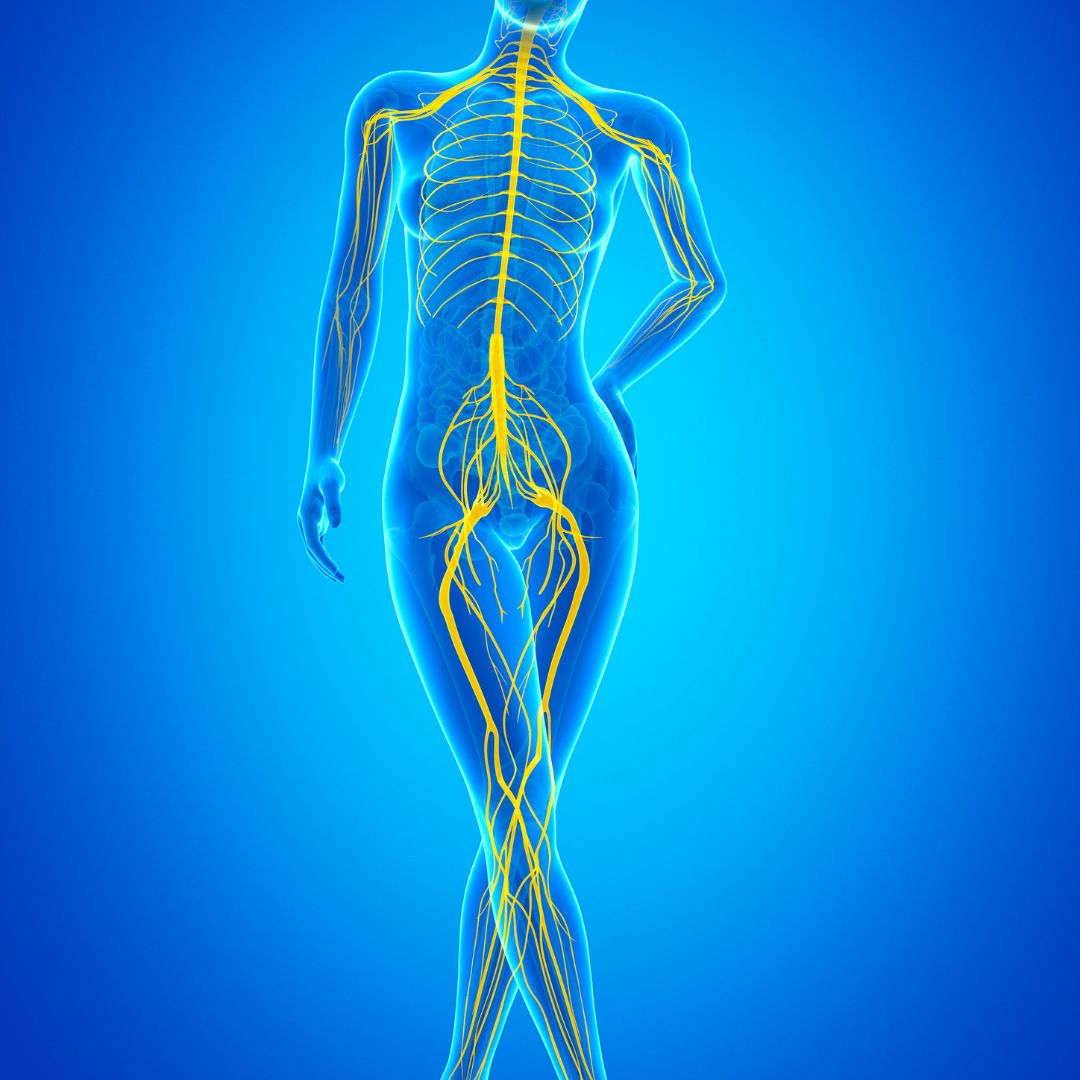
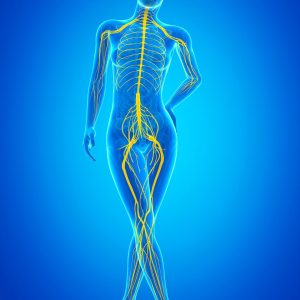
The nervous system is the body’s communication network. It’s made up of two main parts:
1. The Central Nervous System (CNS)
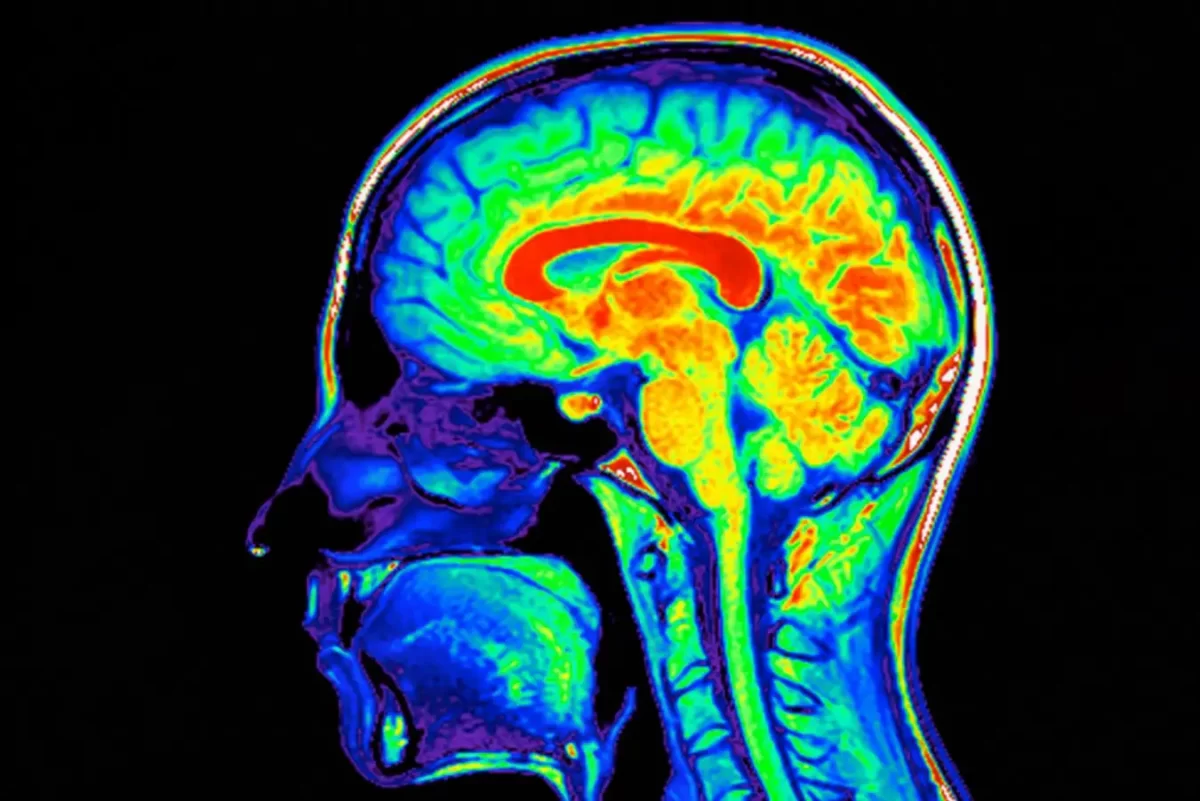
This includes the brain and spinal cord — the control centre that interprets signals, stores memories, and makes decisions.
2. The Peripheral Nervous System (PNS)
This connects the CNS to every organ, muscle, and tissue. A vital part of this is the autonomic nervous system (ANS), which keeps the body functioning without needing conscious effort.
The ANS has two branches:
🌬 Sympathetic Nervous System — the “fight or flight” response.
🌿 Parasympathetic Nervous System — the “rest and restore” state.
Both are essential, but today many people spend far too much time in fight or flight and not enough time in rest and restore.
How the Nervous System Shapes Daily Life
The state of your nervous system determines:
-
how well you sleep
-
how you digest your food
-
how you respond to challenges
-
how patient or irritable you feel
-
how your hormones behave
-
how balanced your energy levels are
-
how clearly you think
When the nervous system becomes overwhelmed, you might notice:
You may be experiencing some or all of these
Where Reflexology Comes In
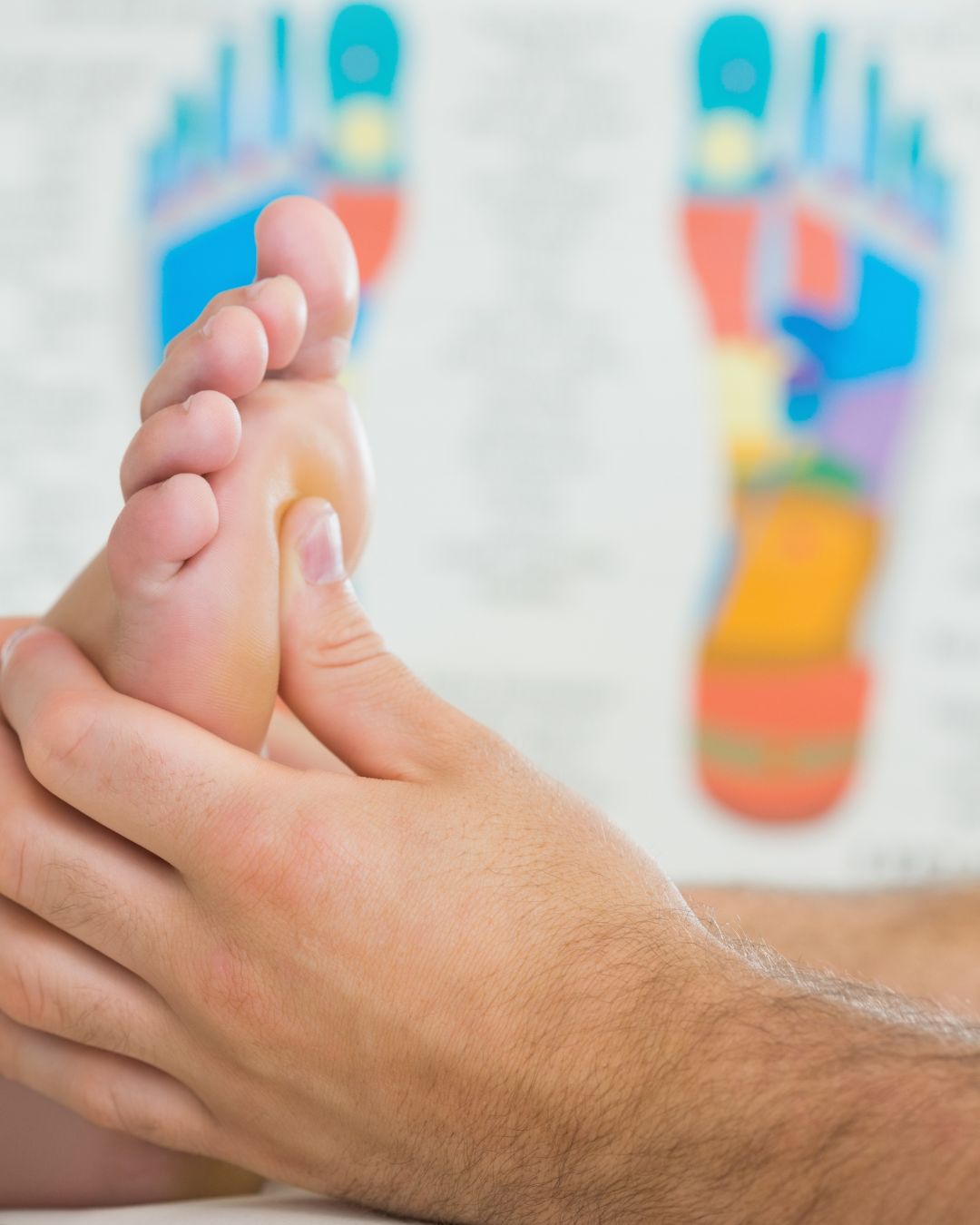
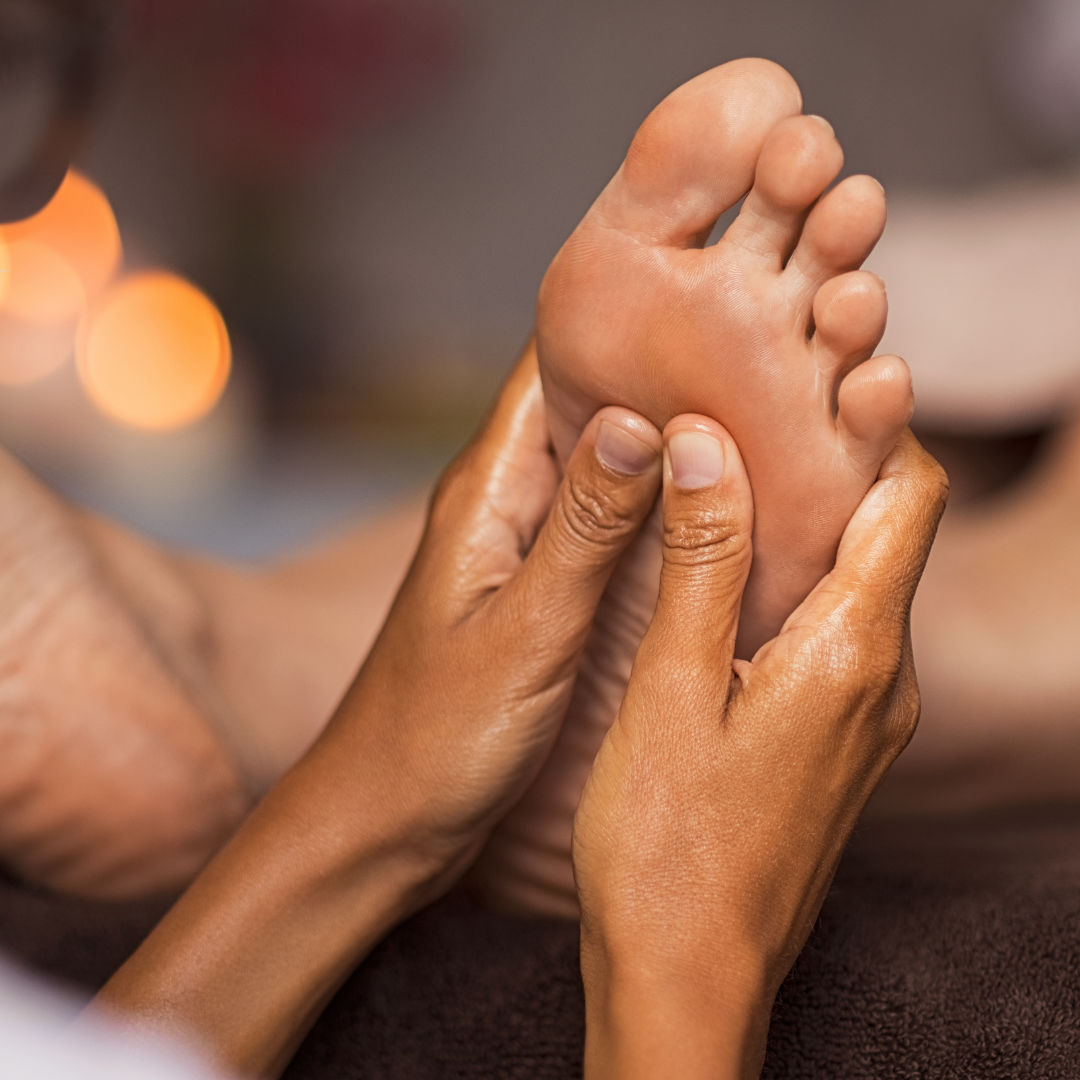
Reflexology is a gentle yet powerful therapy that helps bring the nervous system back into balance through applying pressure to reflex points on the feet, hands, or face.
It works by:
1. Reflexology encourages the parasympathetic response and naturally calms the sympathetic nervous system and activates the “rest and restore” mode. This helps lower stress hormones, slow the heart rate, and deepen breathing — inviting the whole body to unwind.
2.Improves circulation by stimulating reflex points – reflexology encourages better blood flow and communication through the nerves, supporting the body’s natural repair processes.
- Many people carry emotional stress physically — in their muscles, digestive system, or hormonal system. Reflexology helps release this tension, allowing the body to return to a healthier baseline.
3.Reflexology supports our overall wellbeing. Promoting a calmer nervous system, clients often feel:
The nervous system thrives when it has space to relax — and reflexology provides the time and space do just that.
Bringing It All Together
Your nervous system is at the heart of your daily life. When it’s balanced, your whole body feels it — from your mood to your energy to your overall health. Reflexology offers a nurturing, natural way to support this balance, giving the body permission to heal, reset, and restore harmony.
Whether you’re navigating stress, fatigue, hormonal imbalance, or simply want to feel more grounded, reflexology is a powerful tool to help you return to yourself.In today’s busy world, many of us move through our days feeling overstimulated, overwhelmed, or simply exhausted — often without realising that the root of this imbalance lies in the nervous system. This amazing system influences everything we do: how we think, how we feel, how we sleep, how we digest, and how we respond to stress.
Understanding how it works — and how therapies like reflexology support it — can empower us to live with more calm, clarity, and resilience.