Categories
Facial Reflexology Nervous System health

The Magic of Face Reflexology: Nurturing Your Nervous System, Lymphatics, and Energy Flow

What Is Face Reflexology?

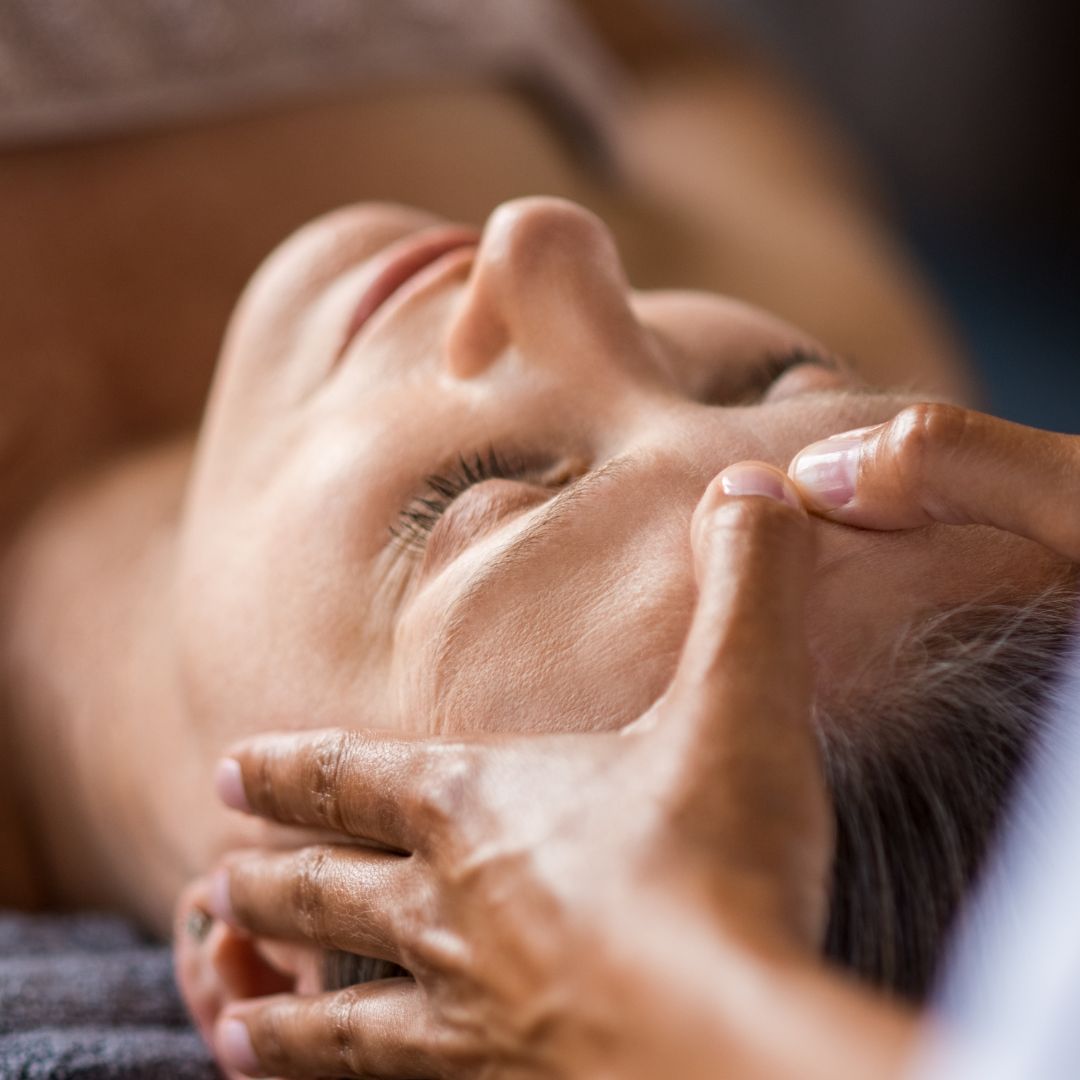
Face reflexology is a natural therapy that stimulates specific reflex points on the face; each corresponding to different organs, systems, and energetic pathways within the body. By applying gentle pressure and massage techniques, it helps bring the body back into balance, encouraging healing and harmony from the inside out.

The face is rich with nerve endings and blood vessels, making it a powerful area to influence both the physical and energetic body. It’s deeply relaxing, yet surprisingly effective in promoting inner balance.


Calming the Central Nervous System

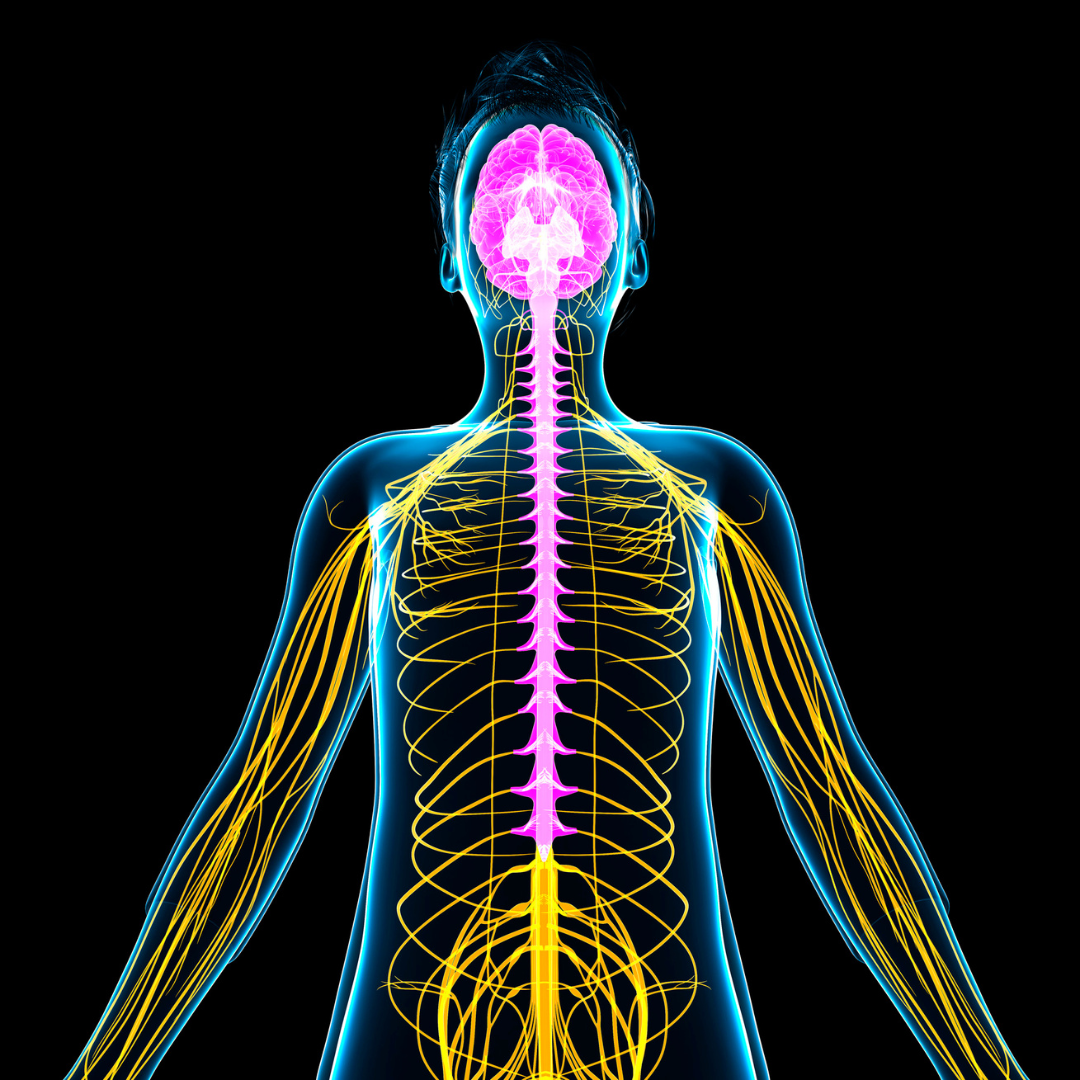
The soothing touch of face reflexology activates the parasympathetic nervous system—your body’s natural “rest and restore” mode. This helps slow the heart rate, regulate breathing, and ease muscle tension. When the nervous system is balanced, stress hormones such as cortisol begin to drop, allowing your mind and body to unwind.

Clients often describe a sense of profound calm or even drifting into a meditative state during a session. This deep relaxation helps the body repair, digest, and heal more effectively.


Supporting Lymphatic Flow

Face reflexology also has a gentle draining effect, stimulating the lymphatic system to release toxins and reduce puffiness or stagnation. By promoting better circulation, it encourages fresh oxygen and nutrients to flow to skin cells — giving the complexion a natural, radiant glow while also supporting immune health.

It’s like an inner spring clean for the body, achieved through gentle facial touch.


Shifting Brain Waves and Deepening Relaxation

As the body relaxes, brain activity naturally shifts from the busy beta state (linked to alertness and stress) into alpha and theta waves—the same calm, restorative states we enter during meditation or just before sleep.

These slower brain waves promote creativity, emotional release, and deep rest. That’s why clients often leave a face reflexology session feeling grounded, clear-headed, and peaceful.


Balancing the Chakras and Energy Flow

On an energetic level, the face is a mirror of the body’s chakras — the subtle energy centers that influence our physical, emotional, and spiritual health. When these reflex points are stimulated, energy flow is harmonised through the meridians and chakras, helping to restore equilibrium and vitality.

This gentle energy balancing can bring a sense of alignment, leaving you feeling both centered and uplifted.


A Holistic Path to Radiance and Well-Being

Face reflexology is far more than a beauty treatment — it’s a holistic therapy that nurtures both inner and outer health. By supporting the nervous system, aiding lymphatic drainage, calming the mind, and balancing the body’s energy systems, it helps you feel more you — radiant, relaxed, and in tune with yourself.

Whether you seek it for stress relief, hormonal balance, better sleep, or simply as a mindful self-care ritual, face reflexology offers a natural, nurturing way to restore harmony from within.


.

Categories
Nervous System health

Simple Ways to Activate your Vagus Nerve

Categories
Nervous System health

The Vagus Nerve Explained: Your Body’s Secret Superpower for Calm & Healing


What Is the Vagus Nerve?

The vagus nerve (pronounced VAY-gus) is the longest cranial nerve in your body. It connects your brain to major organs — including your heart, lungs, digestive system, and more. Think of it as a vital communication superhighway between your mind and your body.

Most importantly, the vagus nerve is a key part of your parasympathetic nervous system — also known as your rest and digest state. It helps calm the body after stress, slow the heart rate, aid digestion, and promote deep relaxation.


Why Is the Vagus Nerve So Important?

When your vagus nerve is toned and functioning well, you’re more likely to feel:

  • Calm and relaxed

  • Connected to your body and emotions

  • Able to manage stress

  • Energised and clear-headed

When it’s underactive or dysregulated, you may experience:

  • Anxiety or a constant sense of tension

  • Digestive issues like bloating or sluggishness

  • Poor sleep or chronic fatigue

  • Feeling emotionally “flat” or disconnected

It’s deeply tied to both physical and emotional wellbeing — which is why supporting it can be such a game-changer.


Signs Your Vagus Nerve May Need Support

Your body gives clues when your vagus nerve isn’t as regulated as it could be. Some signs include:

  • Shallow, chest-based breathing

  • Trouble winding down or sleeping

  • Digestive discomfort (like bloating or irregular bowel movements)

  • Feeling overwhelmed or emotionally numb

  • A general sense of being “on edge”

Sound familiar? You’re not alone — many people are living in a near-constant “fight or flight” mode.

Simple Ways to Stimulate and Support the Vagus Nerve

The good news? You can gently tone the vagus nerve through small, calming practices like:

  • Deep belly breathing – Slow, diaphragmatic breaths signal to the body that it’s safe to relax.

  • Humming, chanting, or singing – These stimulate the vagus nerve through vibration near the vocal cords.

  • Gargling water – An easy and surprisingly effective vagal nerve activator.

  • Cold water on the face – Splashing or using a cold cloth can help shift your nervous system into calm mode.

  • Gentle movement – Yoga, stretching, and mindful walking help regulate the body.

  • Meditation or mindfulness – These practices teach the body to settle and re-centre.


How Reflexology Supports the Vagus Nerve

Reflexology is a deeply grounding, holistic therapy that can gently activate the parasympathetic nervous system — making it an amazing support for vagus nerve health.

During a session, I use specific techniques to:

  • Calm the nervous system

  • Support digestive and hormonal balance

  • Reduce stress stored in the body (especially in the gut, chest, and jaw reflexes)

  • Encourage deep, healing rest

Clients often leave a session feeling lighter, more centred, and deeply relaxed — that’s the vagus nerve at work.


Final Thoughts

Your body is incredibly wise — and the vagus nerve is one of its most powerful regulators of calm, connection, and healing. By supporting this gentle pathway, you create space for more ease, balance, and restoration in your everyday life.

You don’t have to do it all at once. Start with one small practice — like breathwork or a cold splash of water — and notice how your body begins to respond.


Ready to deeply support your nervous system?
Book a reflexology session focused on nervous system regulation and give your vagus nerve the care it deserves. 💛